
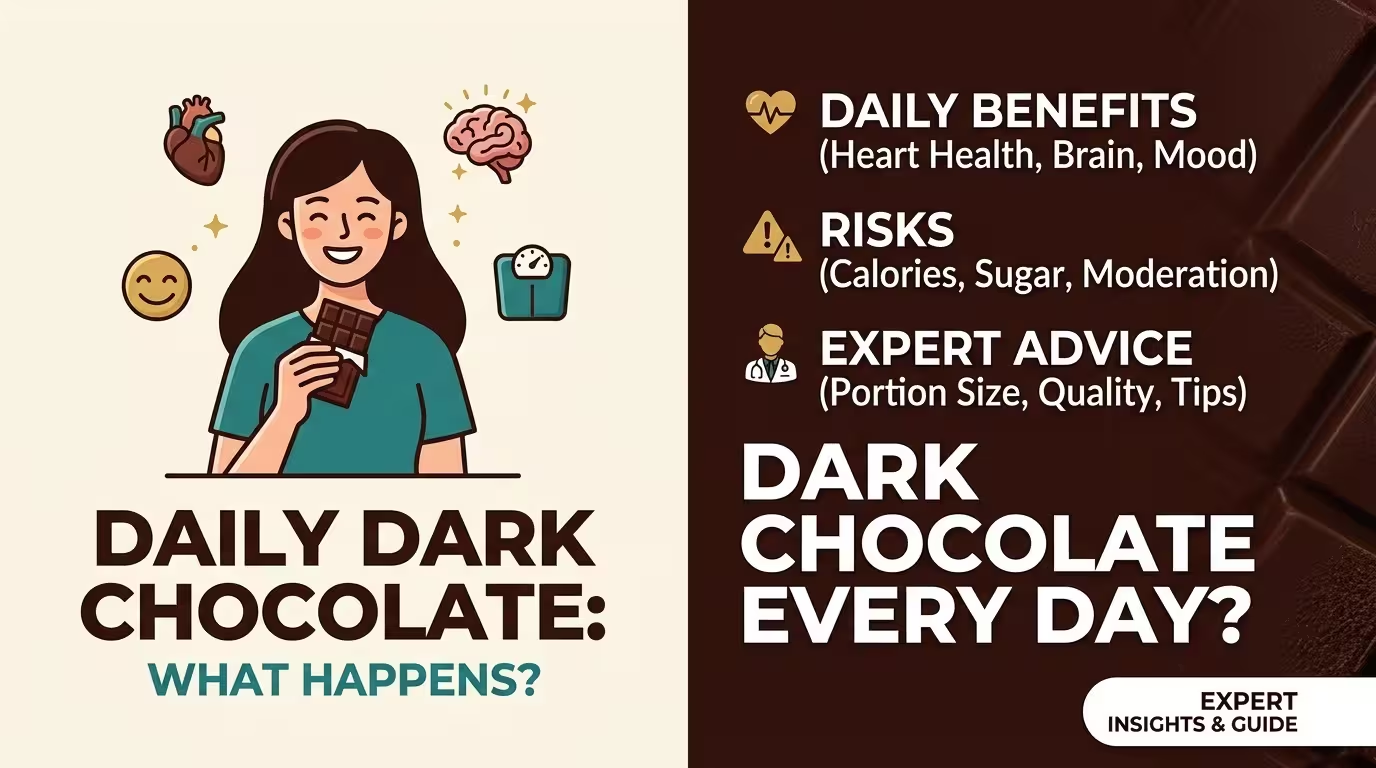
Dark chocolate has earned a reputation as a healthier indulgence compared to milk chocolate or sugary candies. But what really happens to your body if you eat it every day? Registered dietitians and recent studies suggest moderate daily consumption of high-cacao dark chocolate can offer meaningful benefits — while still requiring mindful portions.
Why Dark Chocolate Stands Out
Dark chocolate (70% cacao or higher) contains more cocoa solids and less added sugar than milder varieties. It’s packed with flavanols — powerful plant-based antioxidants that drive most of its health effects.
Key Benefits of Eating Dark Chocolate Daily
- Heart Health Support Flavanols help improve blood flow, support healthy blood pressure, and enhance arterial function. Studies show potential reductions in heart disease risk when consumed regularly in moderation.
- Rich Source of Essential Minerals A 1-ounce serving delivers meaningful amounts of magnesium, iron, zinc, and copper — nutrients many people fall short on.
- Antioxidant Power Dark chocolate ranks among the highest in antioxidant capacity among common foods. These compounds may help combat inflammation and oxidative stress, potentially lowering risks for chronic conditions.
- Brain and Energy Benefits Emerging research links regular dark chocolate intake to reduced fatigue, better executive function, memory support, and improved mood.
- Blood Sugar and Insulin Sensitivity The flavanols and fiber in dark chocolate may improve insulin sensitivity compared to higher-sugar treats.
Nutrition Snapshot (per 1 oz / ~28g of 70%+ dark chocolate)
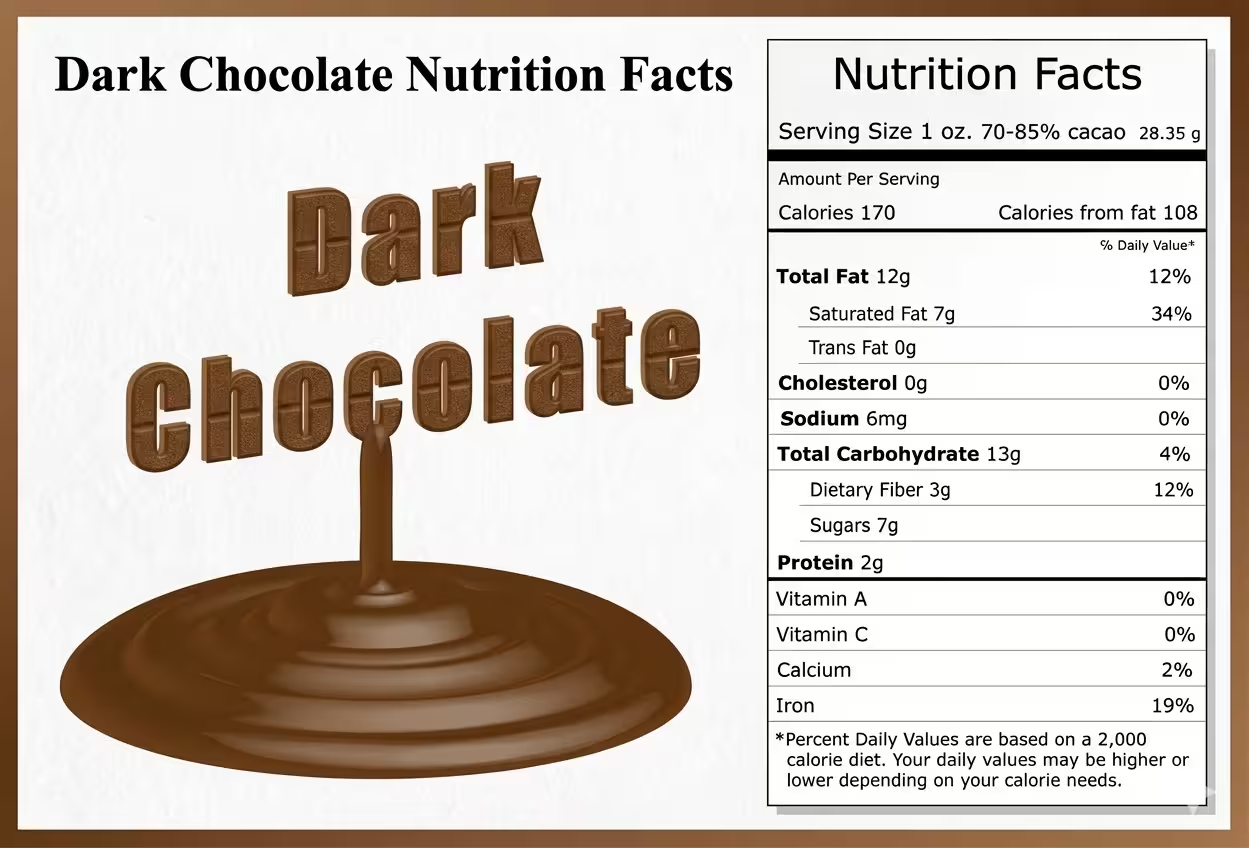
- Calories: 170
- Total Fat: 12g (mostly healthy fats)
- Carbohydrates: 13g (Fiber: 3g, Sugars: ~7g)
- Protein: 2g
- Key Minerals: Magnesium (65mg), Iron (3.4mg), Zinc (0.9mg)
- Caffeine: ~23mg (similar to a cup of green tea)
Recommended Daily Amount
Experts generally suggest 1 ounce (about 28 grams) per day — roughly the size of a small chocolate bar or 4–6 squares, depending on the brand. This amount provides benefits without excessive calories or sugar.
Checkout our calorie calculator for losing, gaining, or maintaining weight.
Important Cautions and Potential Downsides
- Calorie Density Overdoing portions can quickly add unwanted calories and derail weight management goals.
- Heavy Metals Concern Many dark chocolates contain trace amounts of lead and cadmium from soil and processing. While risks are low for most adults at 1 oz daily, pregnant people, young children, and those with kidney issues should be more cautious. Choose brands tested for lower levels.
- Caffeine Sensitivity Darker percentages have more caffeine, which may affect sleep or anxiety in sensitive individuals.
Tips for Maximizing Benefits
- Choose 70% cacao or higher for the best flavanol content and lowest sugar.
- Look for quality brands with minimal additives.
- Pair with nuts or fruit for a balanced blood sugar response.
- Enjoy as a mindful treat — savor it slowly for greater satisfaction.
Summary
Eating a small amount of high-quality dark chocolate every day can be a delicious way to support heart health, provide antioxidants, and satisfy sweet cravings more nutritiously than many alternatives. It’s not a miracle food, but as part of a balanced diet, it offers real perks.
Always prioritize whole foods, vegetables, fruits, and variety — and treat dark chocolate as the enjoyable addition it’s meant to be.