
A new European clinical trial has revealed that a structured Mediterranean lifestyle program could significantly cut the risk of developing type 2 diabetes among older adults with obesity and metabolic syndrome.
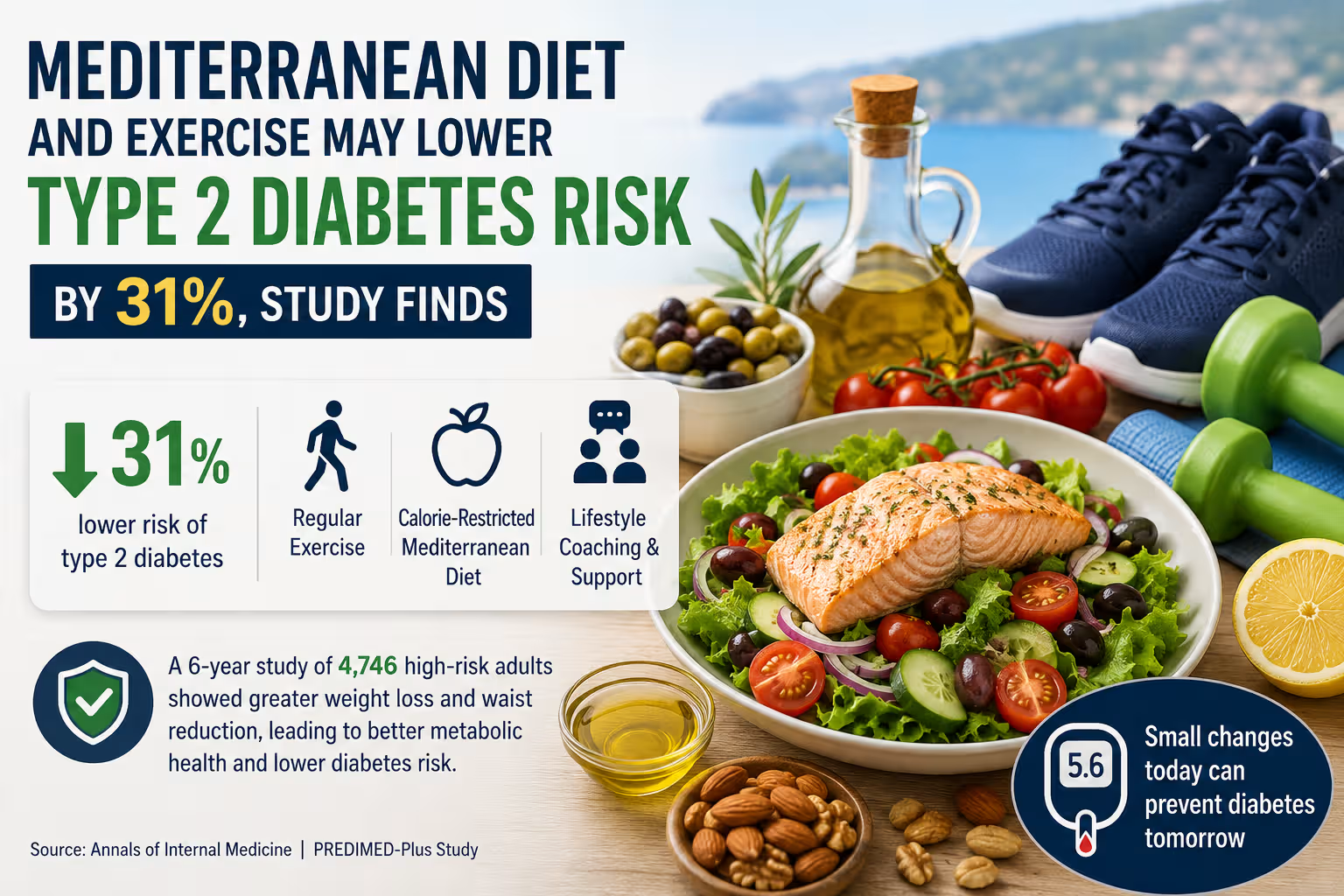
Researchers found that participants who followed a calorie-restricted Mediterranean diet along with regular physical activity and behavioral support lowered their risk of type 2 diabetes by 31% compared to those following a traditional Mediterranean diet without weight-loss intervention.
The findings were published in the Annals of Internal Medicine and are being viewed as an important breakthrough in diabetes prevention strategies.
Mediterranean Diet Diabetes Risk Findings Highlight Lifestyle Changes
The six-year study involved 4,746 adults between the ages of 55 and 75 in Spain. All participants were overweight or obese and had metabolic syndrome, a condition linked to higher risks of cardiovascular disease and diabetes.
Participants in the intensive intervention group followed a reduced-calorie Mediterranean eating plan, increased their physical activity, and received professional lifestyle coaching. The control group followed a regular Mediterranean diet without calorie restrictions or structured exercise guidance.
Researchers reported that the intensive lifestyle group experienced greater reductions in body weight and waist circumference. On average, participants lost 3.3 kilograms and reduced waist size by 3.6 centimeters.
Health experts say these improvements may have played a key role in lowering insulin resistance and improving blood sugar regulation.
Mediterranean Diet and Exercise Show Promise for Diabetes Prevention
The Mediterranean diet has long been associated with heart health and lower inflammation. However, researchers say this study demonstrates that combining the diet with exercise and weight management support may produce even stronger metabolic benefits.
The physical activity program included brisk walking, strength training, flexibility exercises, and balance activities. Researchers noted that consistent lifestyle adjustments — rather than extreme dieting — appeared to deliver long-term health benefits.
Type 2 diabetes continues to rise globally, driven by sedentary lifestyles, obesity, and poor dietary habits. According to health experts, preventive strategies focused on nutrition and exercise could reduce the burden on healthcare systems and improve quality of life for millions of people.
Experts Say Mediterranean Diet Diabetes Risk Reduction Could Influence Public Health Policies
Researchers believe the study supports the idea that structured lifestyle intervention programs should become part of routine preventive healthcare for older adults at high risk of diabetes.
The findings also reinforce growing scientific evidence linking healthy eating patterns, weight control, and regular movement to improved metabolic health.
Further studies are expected to explore whether similar interventions could benefit younger adults and populations outside Europe.