
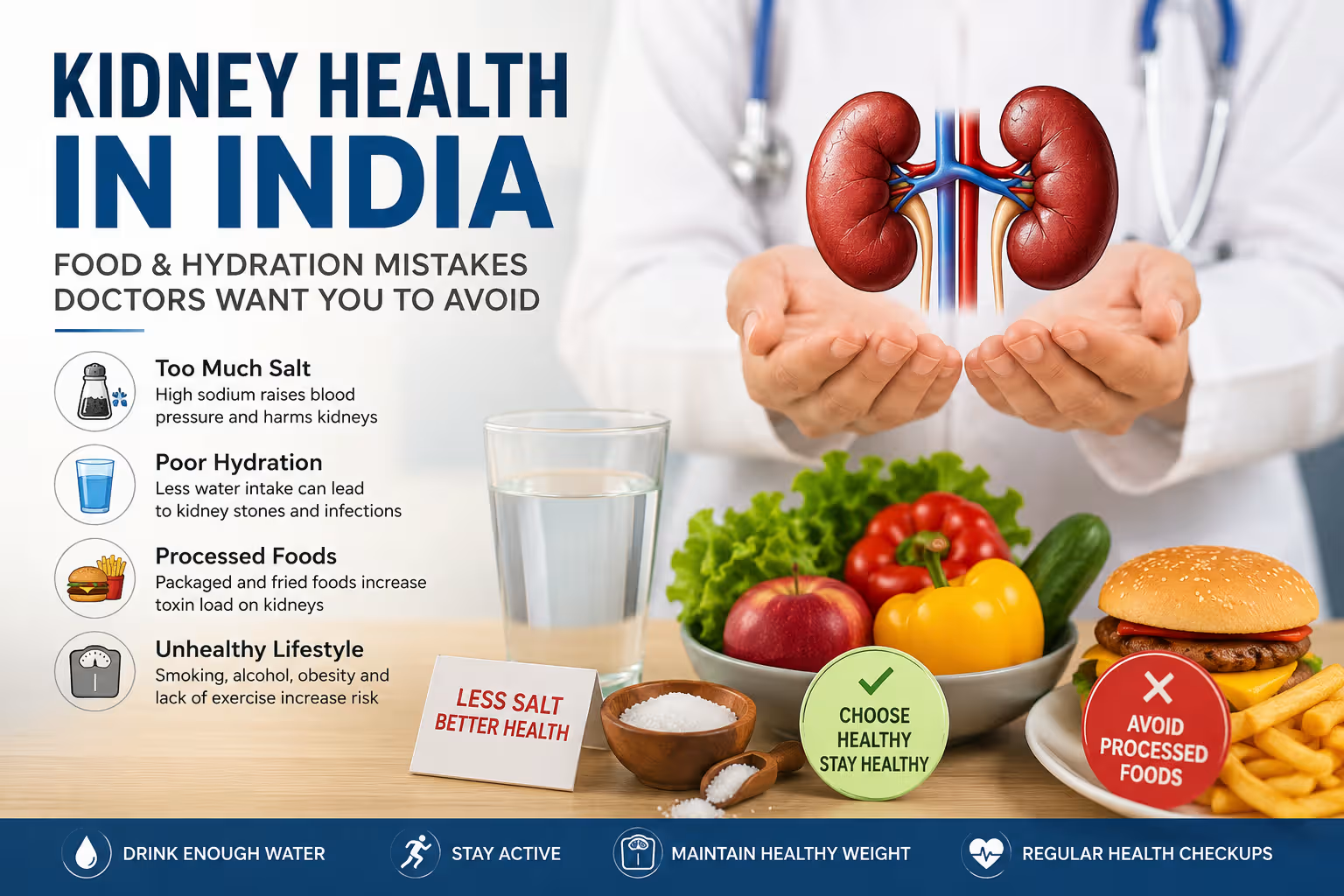
A growing concern over kidney health in India has prompted medical experts to warn people about common dietary and hydration habits that may silently damage kidney function over time. According to a recent report published by The Times of India, excessive salt consumption, poor water intake, processed foods, and unhealthy lifestyle choices are contributing to rising kidney-related health problems across the country.
Doctors say many people ignore early warning signs of kidney stress until the condition becomes severe. Health experts are now urging individuals to focus on proper hydration and balanced nutrition to reduce the risk of kidney disease and kidney stones.
High Salt Intake Is Harming Kidney Health in India
One of the biggest concerns highlighted in the report is excessive sodium consumption. Many Indian diets include packaged snacks, pickles, processed foods, papads, and restaurant meals that contain high amounts of salt.
According to the World Health Organization (WHO), consuming too much salt can increase blood pressure, which is one of the leading causes of kidney damage. Doctors warn that consistently high sodium intake places extra strain on the kidneys and may eventually lead to chronic kidney disease.
Health specialists recommend reducing processed foods and choosing fresh meals with controlled salt levels to support long-term kidney health.
Hydration Mistakes Increasing Kidney Stone Risk
Experts also stressed that poor hydration is becoming a major issue, especially in hot climates where dehydration is common. Inadequate water intake can increase the risk of kidney stones and urinary infections.
Doctors recommend drinking enough water throughout the day to maintain pale yellow urine, which is often considered a sign of proper hydration. People who work outdoors or spend long hours in high temperatures may require additional fluids to protect kidney function.
The National Kidney Foundation also advises maintaining consistent hydration to help kidneys remove toxins and waste effectively.
Kidney-Friendly Diet Important for Disease Prevention
Medical experts say there is growing confusion around high-protein diets and “superfood” trends promoted online. While protein is important for overall health, excessive intake may put additional pressure on the kidneys, particularly in people who already have kidney conditions.
Doctors recommend following a balanced kidney-friendly diet that includes fruits, vegetables, whole grains, and controlled sodium intake. However, patients with existing kidney disease may need to limit foods high in potassium or phosphorus under medical supervision.
Lifestyle habits such as smoking, sugary beverages, alcohol consumption, obesity, and lack of physical activity were also identified as major contributors to declining kidney health.
Rising Awareness Around Kidney Disease Prevention
Healthcare professionals believe early awareness and preventive lifestyle changes can significantly reduce the burden of kidney disease in India. Routine health checkups, blood pressure control, healthy eating habits, and proper hydration are being encouraged as essential steps for maintaining healthy kidneys.
Experts say simple daily changes, including drinking more water and reducing processed food intake, may help millions lower their risk of future kidney complications.